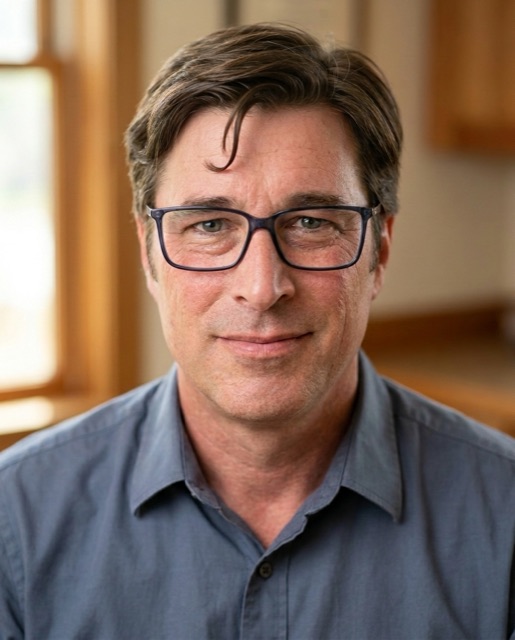
Credentials
- LCSW
- NATC (Narcissistic Abuse Treatment Clinician)
- C-DBT (Certified Dialectical Behavior Therapy)
- NPI 1417303819
- In practice since 2015
Where I’m licensed to work with you
- New York — LCSW #091241 (state registry check pending re-verification; corroborated by NPPES).
- Maine — LCSW LC22776, active, expires 2027-07-31.
- Delaware — LCSW Q1-0012385, active, expires 2027-01-31.
- Florida — out-of-state telehealth provider registration TPSW4838, active. This is a registration, not a Florida license.
You talk. I talk back.
“You are the authority on your life. I bring training, framing, and patient curiosity — and we name what’s working and revise what isn’t, out loud, together.”
That’s the collaborative commitment at the center of this practice. The pace and shape of the work adjust to the person.
Looking beyond this week
My approach is depth-oriented: we trace patterns through relationships, history, and the systems you’re inside. We make room for what brought you here, as well as the parts that may be harder to explain.
I work with people navigating difficult family and relationship patterns, burnout, anxiety, trauma, and the pressure of being the one everyone relies on. The focus pages offer a closer look.
A clear frame for the work
Clear scope and boundaries are part of the relationship. Before beginning, discuss scheduling, fees, cancellation, and the best way to communicate between appointments. The website and ordinary email are not places for clinical records or urgent support.
Read a little before we talk
My writing is another way to get a sense of how I think. You can explore the article archive at your own pace, without needing to contact the practice first.
Request a fit conversation